Short answer
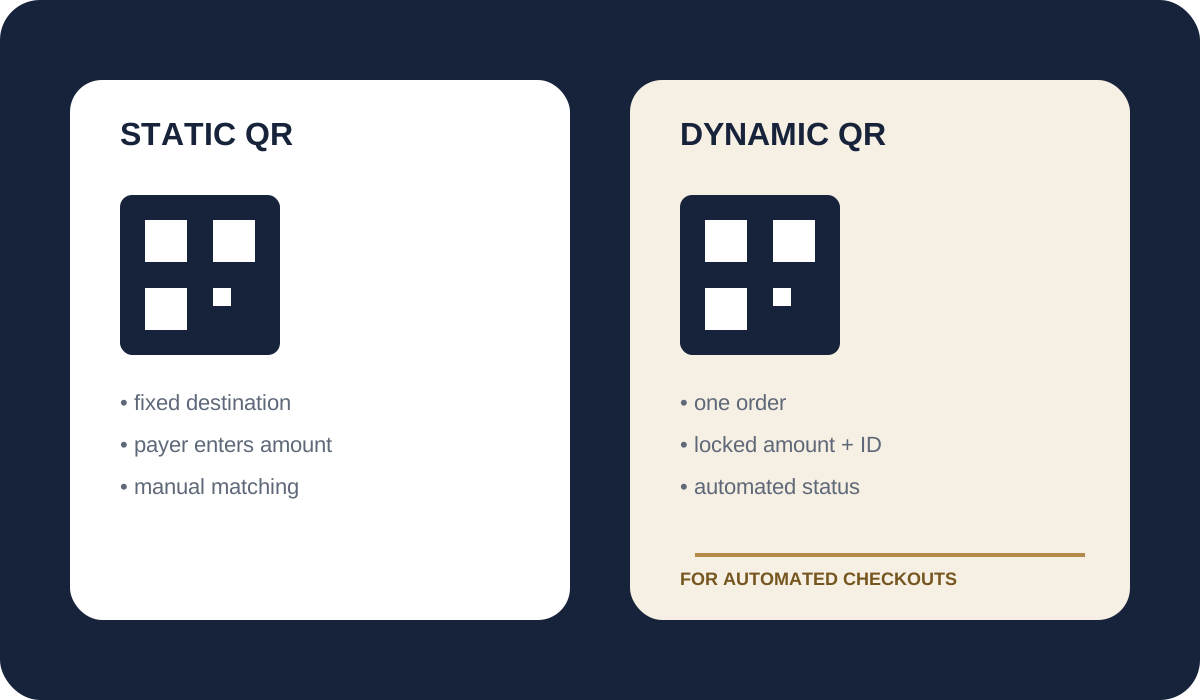
A dynamic QR is created for a specific order and supports automated e-commerce. A static QR is reused and requires additional matching of amount, payer and payment reference.
- Dynamic QR links a payment to an order.
- Static QR is easier to display but harder to reconcile automatically.
- Both flows require confirmation of the actual transaction status.
- The right choice depends on sales channel and operational accounting.
The essential difference
A dynamic QR is generated after payment creation and contains data for that transaction. The customer sees the defined amount and confirms in a banking application. The merchant receives an identifier and can connect the status to the order.
A static QR remains the same for multiple customers. It can suit a counter or simple offline flow, but the amount may be entered separately and matching a payment to an order requires additional controls.
When dynamic QR is appropriate
Websites, applications and payment links usually need automation. Dynamic QR reduces manual steps and helps prevent confusion between similar transactions. It can appear on a desktop screen, while mobile checkout can offer a button that opens bank selection.
The order should update from a server-side status. If a QR expires, the merchant creates a new payment and does not treat an old identifier as proof of payment.
- e-commerce and digital services;
- fixed-amount invoice payment;
- automated delivery of digital goods;
- order-level conversion analytics.
When static QR may work
Static QR may fit a small physical location with limited payment volume and manual confirmation. It does not replace proper accounting: the business still needs transaction confirmation, contractual and receipt processes, reconciliation and refund handling.
Where many orders share the same amount, manual matching becomes risky. A dynamic flow is generally easier to control.
Integration considerations
Create QR payments server-side through the approved payment route. Keep payment secrets out of the browser. Link the QR to the merchant order, define expiry and handle both expiration and repeated notifications correctly.
WHITECAPITAL confirms dynamic QR availability, limits and settlement terms only after project review and contract agreement.
Questions and answers
Can one dynamic QR be used more than once?
A dynamic QR is intended for a specific payment. For a new attempt, creating a new payment is normally safer.
Which QR is better for e-commerce?
Usually a dynamic QR because it connects the order, amount and server-side status.
Does displaying a QR prove that money was received?
No. The image starts a payment journey; the transaction status confirms the result.
Sources and policies
We use official payment-system information and WHITECAPITAL policies. Contractual documents prevail for an individual merchant setup.
This material is for operational orientation and is not a promise of approval, universal method availability, a fixed fee or settlement timing.