SBP, C2B and dynamic QR
Accept SBP payments for business
WHITECAPITAL payment infrastructure helps approved companies accept RUB payments through SBP using a dynamic QR code or payment link, with status delivery to a merchant dashboard and API.
Updated 4 September 2026 · Author and publisher: WHITECAPITAL PAYMENT SERVICES PROVIDER - FZCO
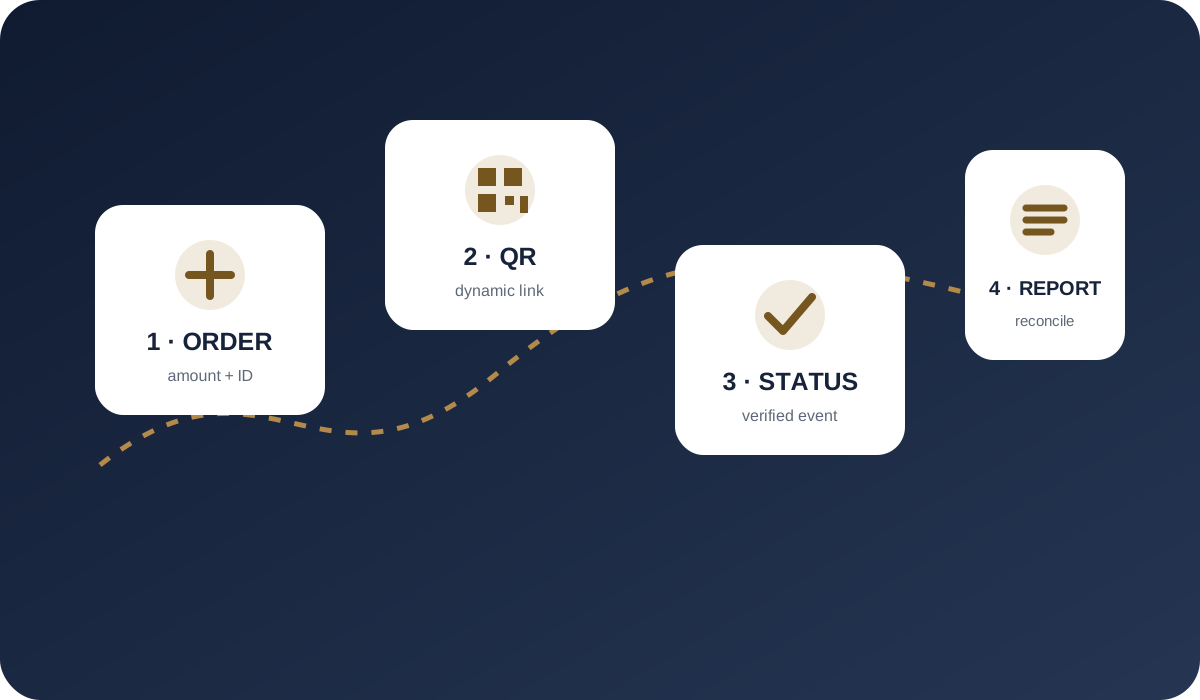
How an SBP payment works
The merchant creates a payment with an amount and reference. The customer opens a payment link or scans a dynamic QR code, selects a bank and confirms the payment in a banking application. Once processed, the merchant receives a status and can match the payment to the order.
Unlike a static image, a dynamic QR is generated for a specific purchase. It links the payment flow to the order parameters, making automated order accounting and result verification more practical. The available implementation is confirmed during onboarding.
- payment creation for a specific order;
- payment link or dynamic QR;
- confirmation in the customer’s banking app;
- status delivery through API, webhook or callback;
- transaction display in the dashboard and register.
SBP for websites, applications and remote sales
SBP may be placed in website checkout, a mobile application or another approved remote channel. Desktop customers can scan a QR code, while mobile customers can use a button or link to select their bank. The merchant should wait for a server-side status rather than relying only on the customer returning to the browser.
WHITECAPITAL provides the infrastructure for payment creation and status delivery. Exact interfaces, limits, refund availability and operational rules are defined in the documentation and contract for the approved project.
API notifications and payment reconciliation
A reliable integration links the merchant’s order identifier to the payment and safely handles repeated notifications. Final payment status should be confirmed server-side. Daily reconciliation should compare the merchant’s own ledger with the merchant dashboard and transaction register.
If a payment is cancelled, expires or remains unconfirmed, the order should not be marked as paid automatically. Refunds follow the agreed process and reference the original transaction.
- unique order-to-payment linkage;
- server-side status processing;
- protection against duplicate notification handling;
- logging and daily reconciliation;
- an agreed refund process.
Who can use SBP and how onboarding works
The flow may suit e-commerce, digital services, applications, education and service platforms and other companies with a clear product and transparent website. Russian or international companies may apply, but onboarding is not automatic.
Before launch, WHITECAPITAL performs KYB/KYC, website and product review, compliance screening and risk assessment. Banking setup, limits, fees, settlements and the permitted payment flow are agreed individually.
Frequently asked questions
What is a dynamic SBP QR code?
It is a QR code generated for a specific payment so the customer can open a banking application and confirm that payment.
Can an international website accept SBP?
An international legal entity may apply. Eligibility depends on company, product and jurisdiction review and banking approval.
How does the website know that payment succeeded?
The status is delivered to the merchant dashboard and through the agreed API, webhook or callback. The server-side status should confirm the order.
Are refunds available?
Refunds may be available for approved flows under an agreed process. Exact availability and rules are set by the contract and documentation.
Primary references
For general information about SBP and Russian payment infrastructure, use official primary sources:
WHITECAPITAL
Merchant payment acceptance onboarding
SBP, QR, payment links, API and card acquiring where available — after KYB/KYC, compliance review and approval.